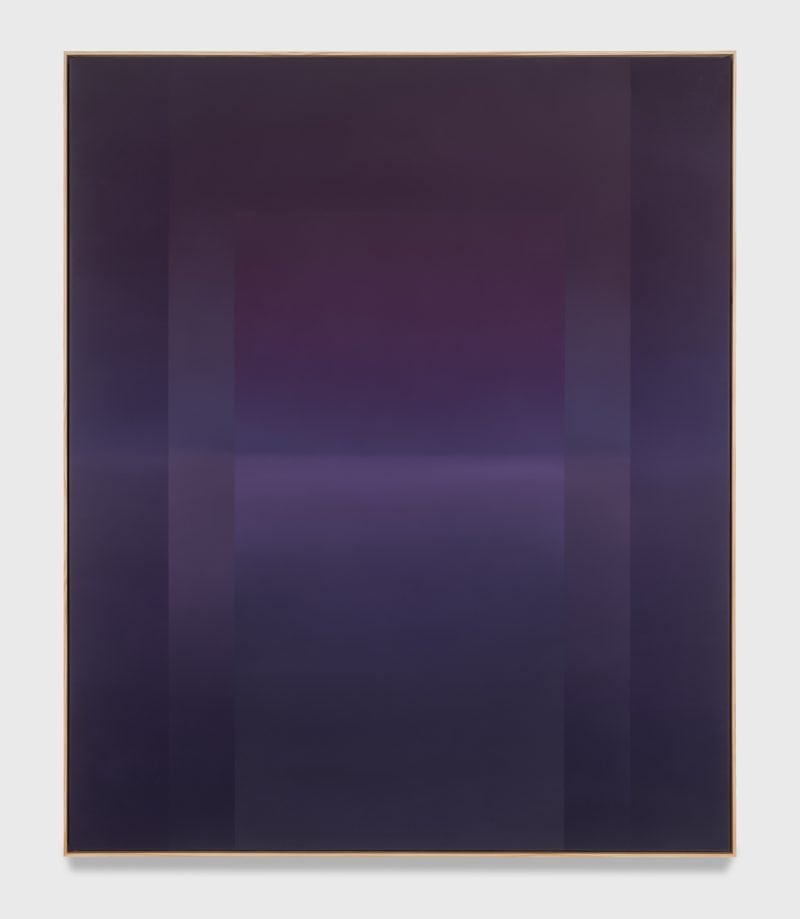
The Weight of Light: Unresolved Gaps
The artistic practice of Theo Pinto emerges from an unresolved gap: the distance between the state he currently inhabits and the state he is searching for. Rather than escaping the noise of the mind, Pinto uses painting to slow things down, remaining with a moment long enough for it to transform. He is drawn to the transitional light of dawn and dusk, times when the atmosphere feels unstable and continuously changing. Across cultures, these thresholds are associated with reflection, stillness, disorientation, and renewal. His paintings attempt to hold onto that instability and heightened awareness.
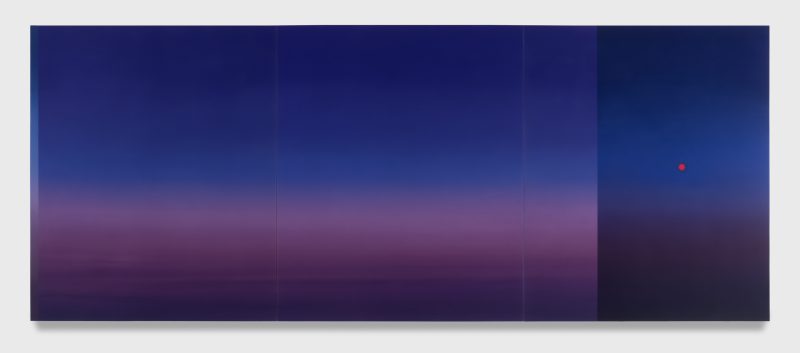
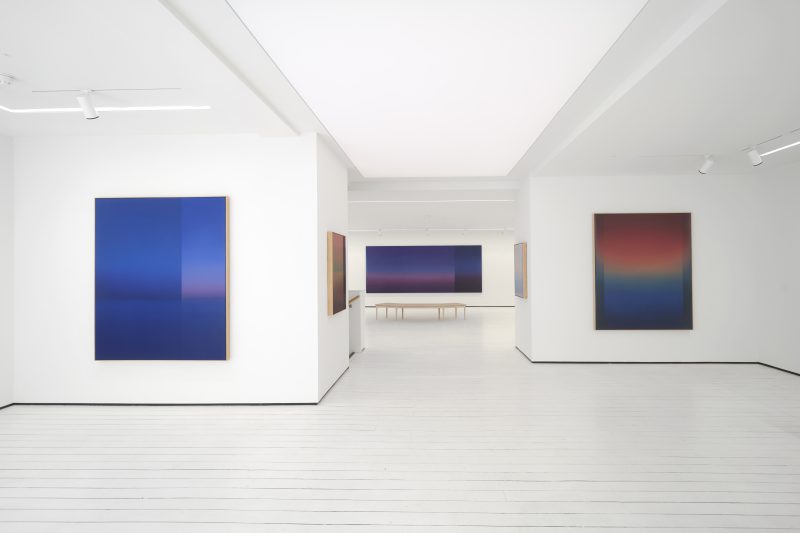
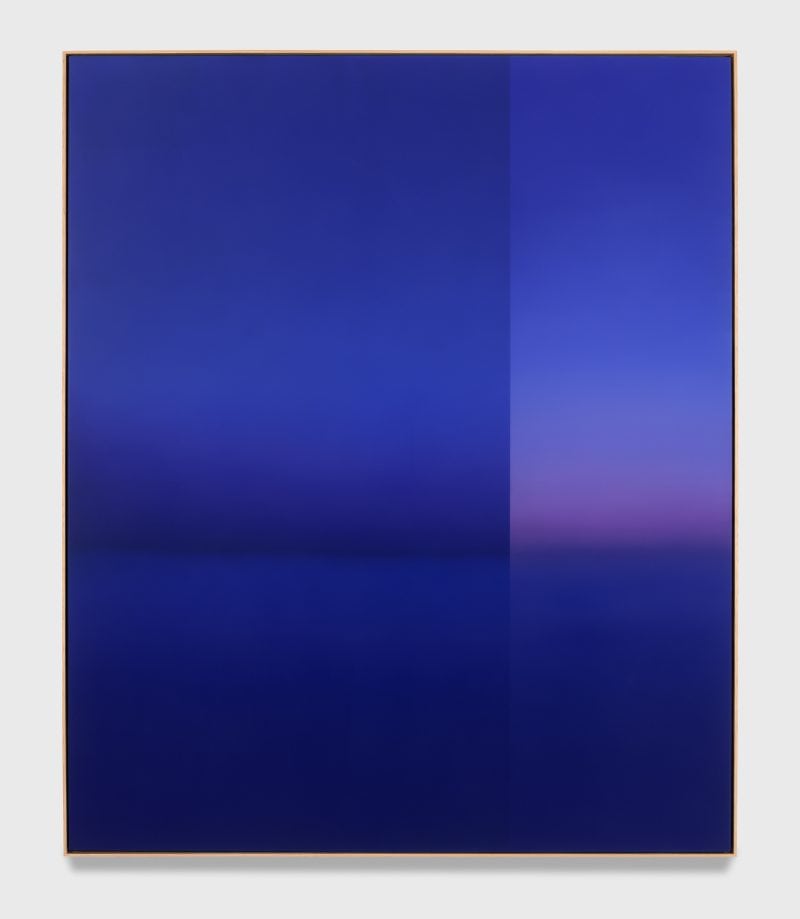
Each work develops through a slow process of layering, sanding, and tonal adjustment. The surface is refined to a point where physical gesture recedes, allowing color and light to become the primary experience. A matte finish absorbs rather than reflects light, causing the paintings to shift according to the viewer’s distance, duration of gaze, and surrounding conditions.
With a background in architecture, Pinto brings an attention to scale, proportion, and spatial experience to the canvas.
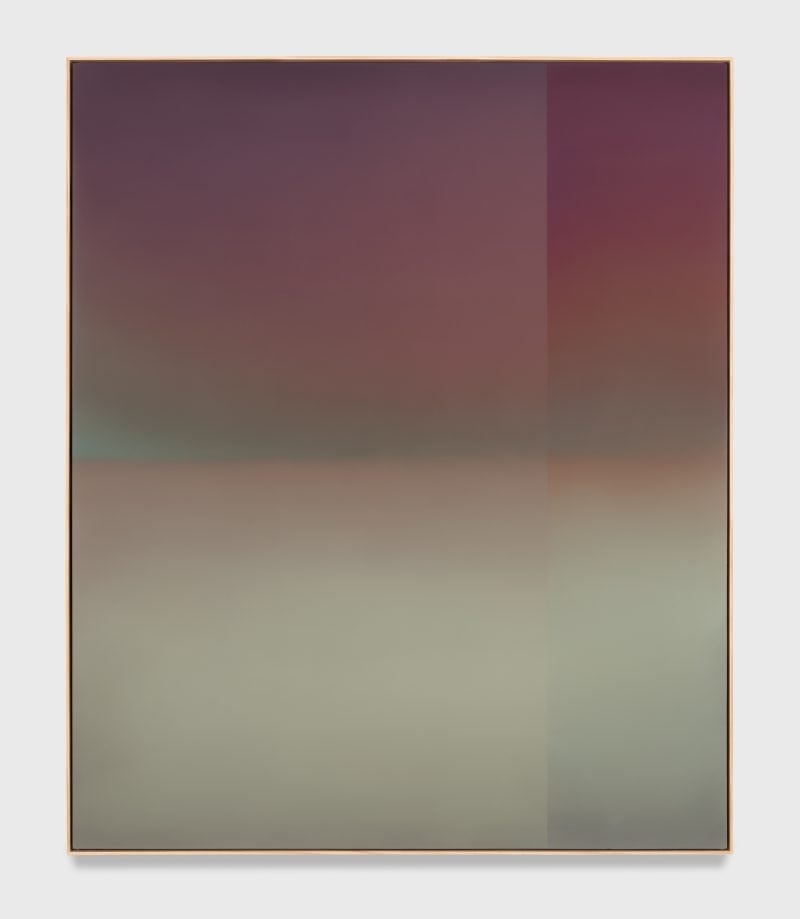
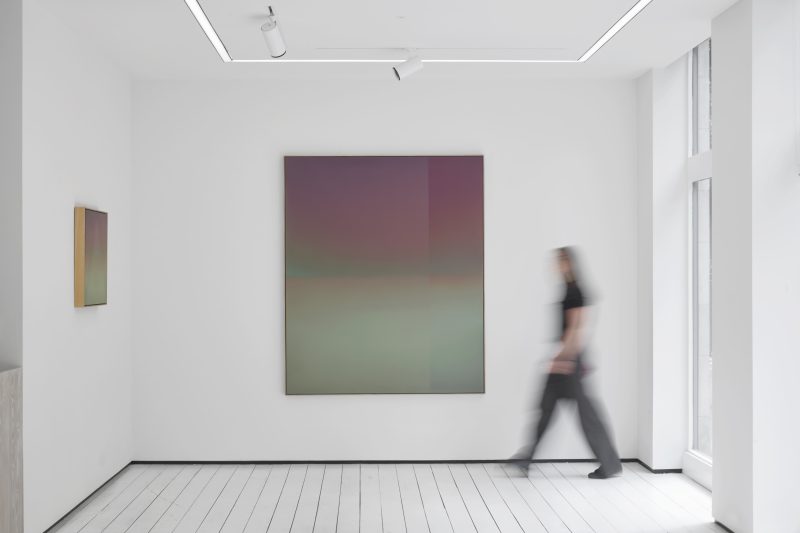
He approaches painting less as image-making and more as the construction of a condition—a space where attention slows and perception becomes aware of itself. A spiritual dimension underpins the work, emerging not through fixed symbolism, but through the search for an inner light that remains unstable and impossible to fully possess. Rather than resolve this tension, the paintings hold it.
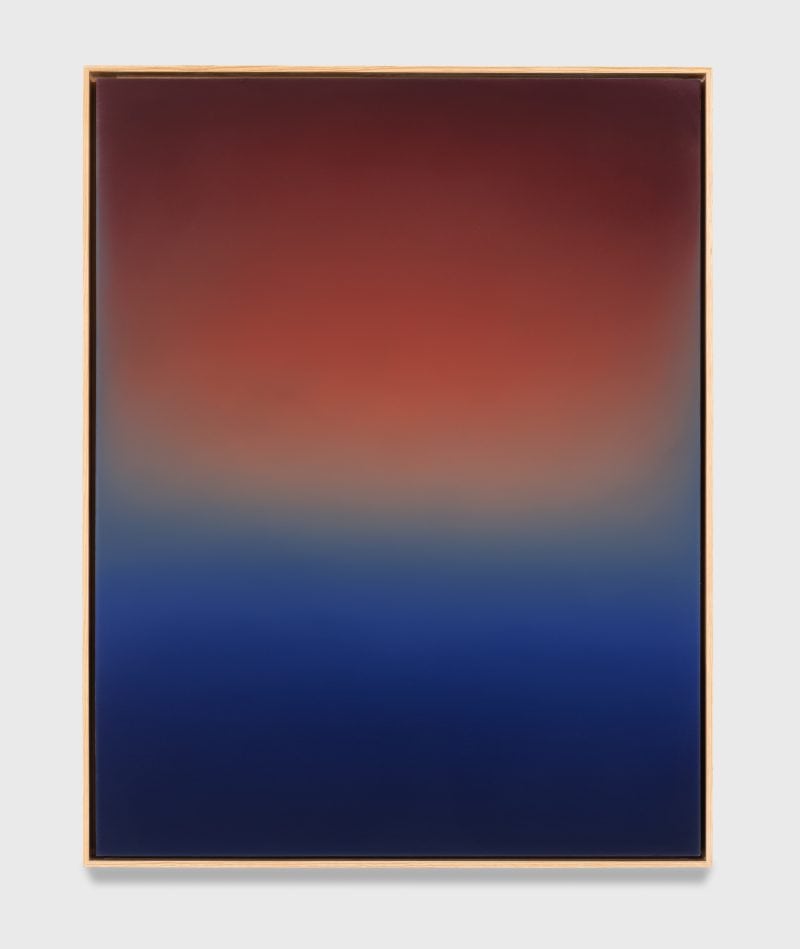
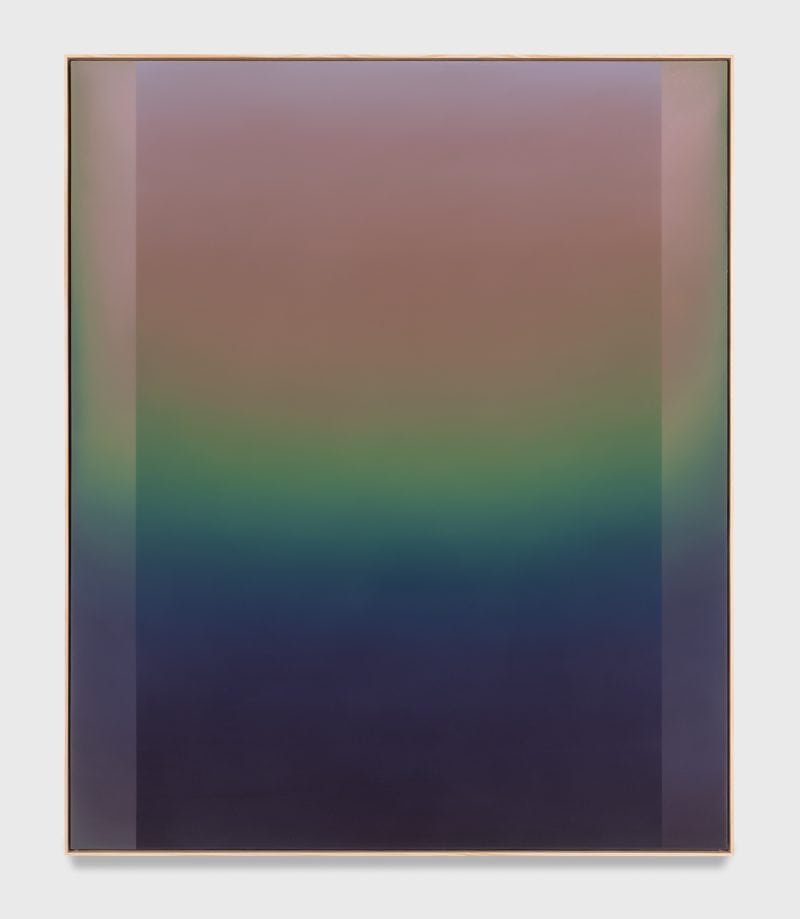
Ultimately, Pinto’s practice is anchored by a belief in the transformative power of beauty: the possibility that an encounter with light, color, and stillness can alter emotional and psychological space, even briefly. The paintings do not deliver fixed meanings, but create a sanctuary where distraction falls away and something deeply felt can gradually emerge.